

Introduction
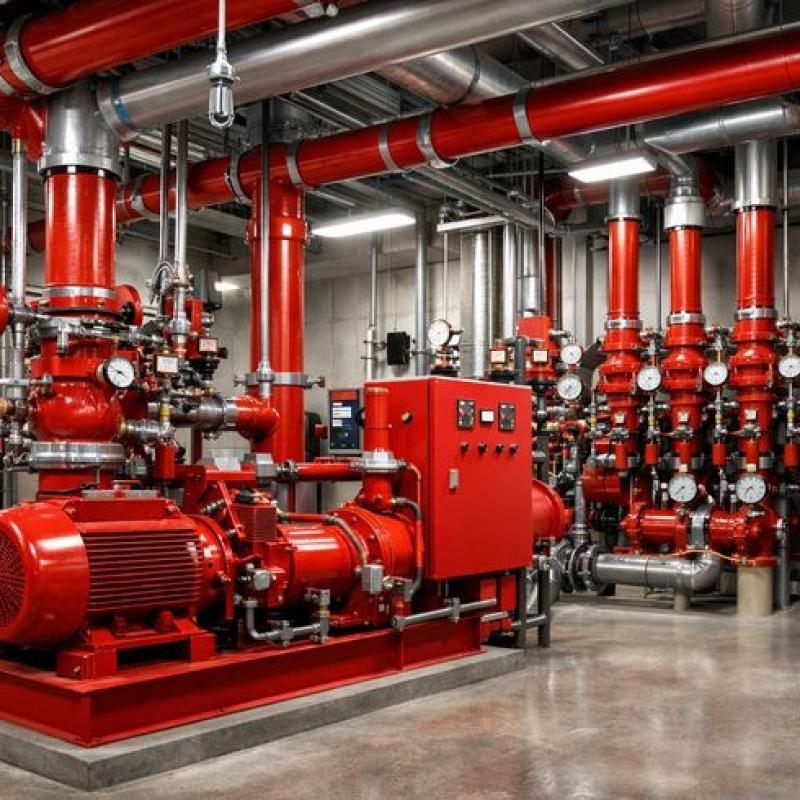
A reliable fire pump is one of the most important components of any fire protection system. During a fire emergency, the fire pump provides the necessary water pressure and flow to sprinkler systems, hydrants, standpipes, and other firefighting equipment, helping control fires quickly and effectively.
One of the most common questions asked by building owners, consultants, contractors, and facility managers is:
Should you choose a Diesel Fire Pump or an Electric Fire Pump?
Both types are widely used worldwide and are approved under international fire protection standards. However, each offers unique advantages, limitations, installation requirements, and maintenance needs.
The best choice depends on several factors, including:
- Building occupancy
- Reliability of electrical power
- Local fire regulations
- Budget
- Maintenance capability
- Criticality of uninterrupted fire protection
In this guide, we’ll compare Diesel Fire Pumps and Electric Fire Pumps in detail to help you make an informed decision.
What is a Fire Pump?
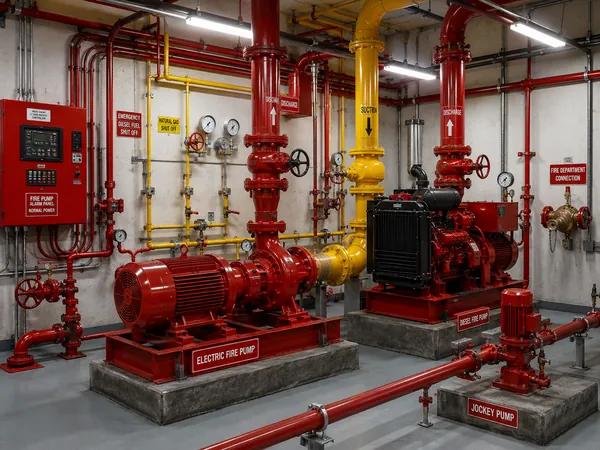
A fire pump is a specialized pump designed to increase water pressure within a fire protection system whenever the available water supply cannot provide sufficient pressure.
Fire pumps are commonly connected to:
- Fire Sprinkler Systems
- Fire Hydrant Systems
- Standpipe Systems
- Foam Fire Protection Systems
How Does a Fire Pump Work?
When a fire sprinkler or hydrant is activated, the system pressure drops. This pressure drop signals the fire pump controller to automatically start the pump, delivering the required water pressure throughout the building.
Why is a Fire Pump Important?
A properly designed fire pump ensures:
- Adequate water pressure
- Faster fire suppression
- Protection of lives
- Reduced property damage
- Compliance with NFPA 20 and local fire codes
What is an Electric Fire Pump?
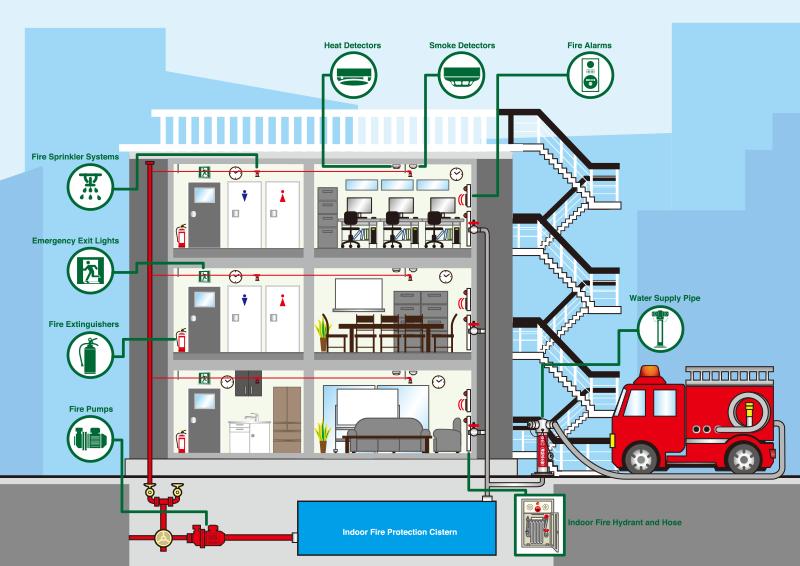
An Electric Fire Pump uses an electric motor to drive the fire pump. It is the most common solution for buildings with a reliable electrical supply.
Working Principle
When the fire pump controller detects a pressure drop in the system:
- Pressure switch activates.
- Controller starts the electric motor.
- Motor drives the pump.
- Pump supplies water to the fire protection system.
Main Components
- Electric Motor
- Fire Pump
- Fire Pump Controller
- Pressure Gauge
- Suction & Discharge Piping
- Jockey Pump
- Relief Valve
Advantages of Electric Fire Pumps
✅ Lower initial investment
✅ Lower operating cost
✅ Quiet operation
✅ Minimal maintenance
✅ No fuel storage required
✅ Environmentally friendly
✅ Longer equipment life
Limitations
- Depends entirely on electrical power
- Requires reliable utility or emergency generator
- Power outages can affect operation if backup power is unavailable
Best Applications
Electric fire pumps are ideal for:
- Commercial Buildings
- Shopping Malls
- Hospitals
- Hotels
- Office Buildings
- Residential High-Rise Buildings
- Educational Institutions
What is a Diesel Fire Pump?
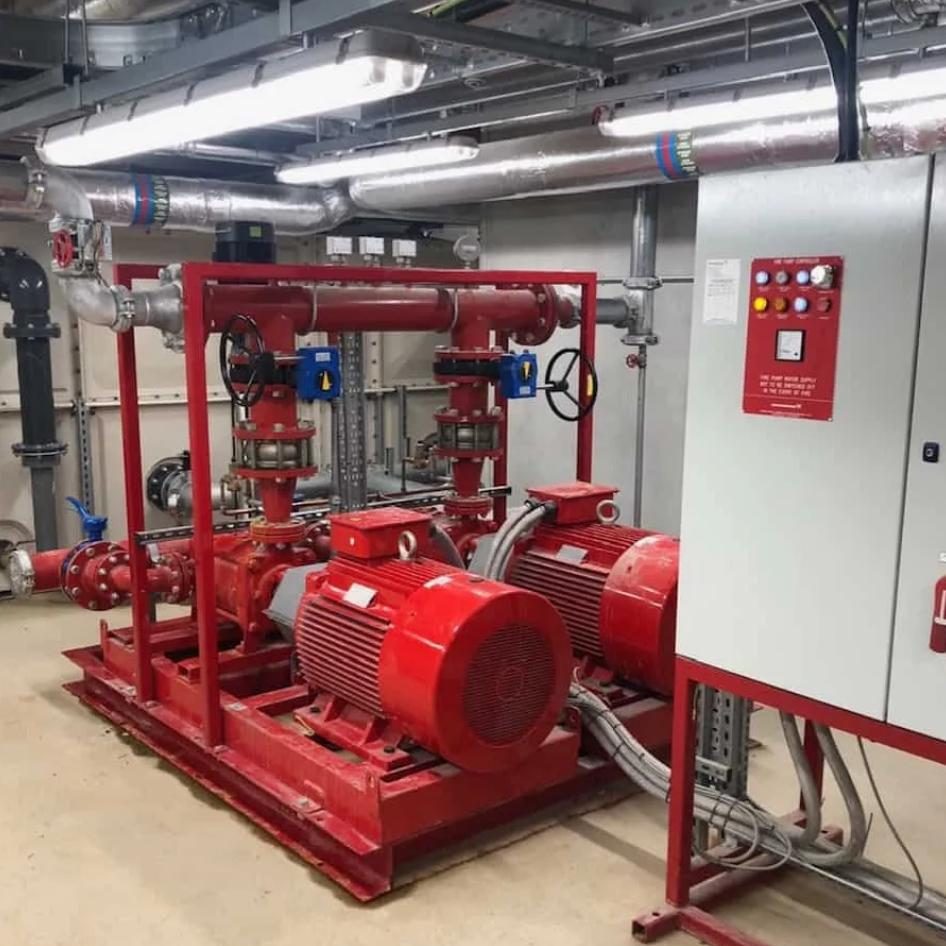
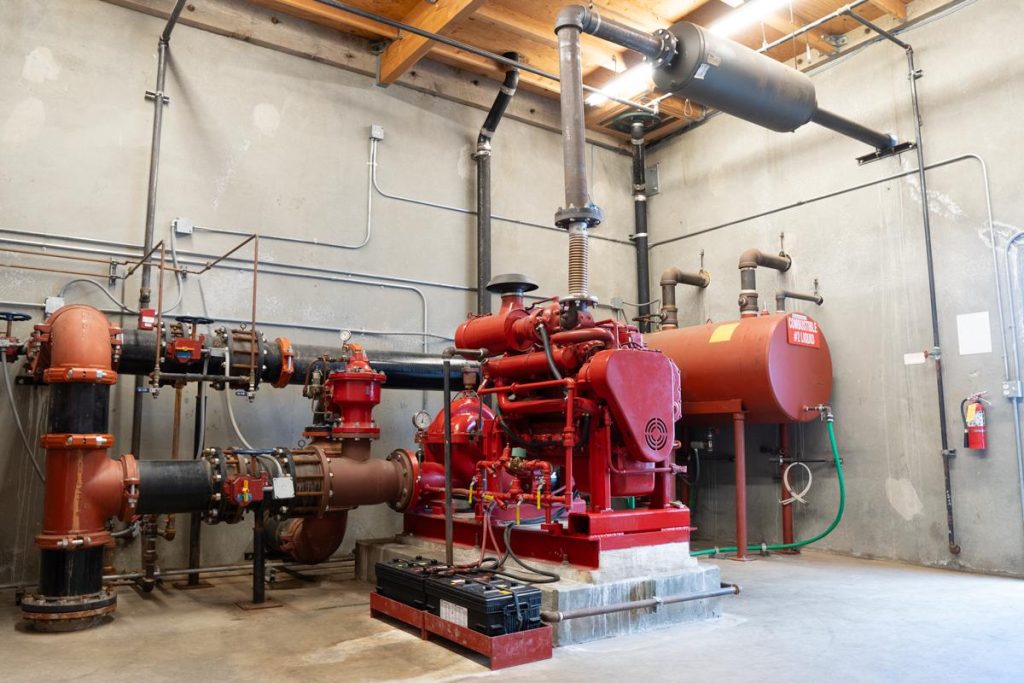
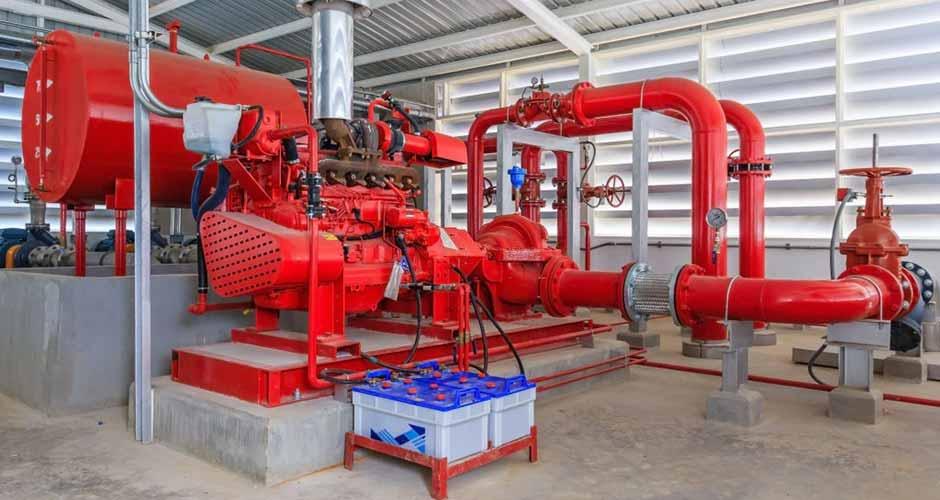
A Diesel Fire Pump is powered by a diesel engine instead of an electric motor. Because it operates independently of the electrical grid, it is widely used in facilities where uninterrupted fire protection is essential.
Working Principle
When system pressure drops:
- Fire pump controller sends a signal.
- Diesel engine starts automatically.
- Engine drives the fire pump.
- Water is delivered to the fire protection system.
Main Components
- Diesel Engine
- Fire Pump
- Diesel Fire Pump Controller
- Fuel Tank
- Cooling System
- Batteries
- Exhaust System
- Jockey Pump
Advantages
✅ Operates during power failures
✅ Independent power source
✅ Highly reliable in remote areas
✅ Suitable for mission-critical facilities
Limitations
- Higher purchase cost
- Requires fuel storage
- Regular engine maintenance
- Produces exhaust emissions
- Higher noise levels
Best Applications
Diesel fire pumps are commonly used in:
- Industrial Factories
- Warehouses
- Oil & Gas Plants
- Chemical Industries
- Power Plants
- Remote Locations
- Large Manufacturing Facilities
Diesel Fire Pump vs Electric Fire Pump Comparison
| Feature | Electric Fire Pump | Diesel Fire Pump |
|---|---|---|
| Power Source | Electricity | Diesel Engine |
| Operation During Power Failure | Needs generator or backup power | Operates independently |
| Initial Cost | Lower | Higher |
| Maintenance | Low | High |
| Fuel Requirement | None | Diesel Fuel |
| Noise Level | Quiet | Noisy |
| Installation | Easier | More Complex |
| Environmental Impact | Clean | Produces Emissions |
| Reliability | Excellent with stable power | Excellent during power outages |
| Service Life | Long | Long with proper maintenance |
Advantages of Electric Fire Pumps
Electric fire pumps offer several benefits that make them the preferred choice for many commercial buildings.
Lower Operating Costs
Electric motors consume less energy than diesel engines over time.
Less Maintenance
No fuel system, batteries, cooling system, or engine oil changes are required.
Quiet Operation
Electric pumps generate significantly less noise.
Compact Installation
Requires less floor space and fewer auxiliary systems.
Longer Equipment Life
Electric motors generally have fewer moving parts, reducing wear and tear.
Advantages of Diesel Fire Pumps
Diesel fire pumps excel in applications where electrical reliability cannot be guaranteed.
Operates During Power Outages
The biggest advantage is complete independence from the electrical grid.
Reliable for Remote Locations
Perfect for facilities with unstable or unavailable utility power.
Independent Power Source
No dependency on generators or electrical substations.
Suitable for Critical Infrastructure
Widely used in power plants, refineries, airports, and industrial facilities.
When Should You Choose an Electric Fire Pump?
An electric fire pump is usually the best choice if your building has:
- Reliable utility power
- Emergency backup generator
- Lower maintenance capability
- Limited installation space
- Environmental restrictions
Ideal for:
- Commercial Buildings
- Shopping Malls
- Hotels
- Hospitals
- Residential Towers
- Educational Facilities
When Should You Choose a Diesel Fire Pump?
Choose a diesel fire pump when:
- Power failures are common
- Generator backup is unavailable
- Fire protection must remain operational under all circumstances
- Facility is located in remote areas
Ideal for:
- Industrial Plants
- Warehouses
- Oil & Gas Facilities
- Power Plants
- Mining Operations
- Remote Facilities
NFPA Considerations
The installation and operation of fire pumps are governed by NFPA 20: Standard for the Installation of Stationary Pumps for Fire Protection.
Key considerations include:
Reliable Power Supply
Electric fire pumps must be connected to a dependable electrical source or an approved emergency power system where required.
Diesel Engine Requirements
Diesel-driven fire pumps must have:
- Adequate fuel supply
- Dual battery starting system
- Cooling system
- Exhaust system
- Routine testing
Fire Pump Controller
Both diesel and electric fire pumps require listed and approved fire pump controllers that automatically start the pump when system pressure drops.
Maintenance Comparison
Routine maintenance is essential regardless of pump type.
Electric Fire Pump
- Weekly visual inspection
- Controller inspection
- Pressure checks
- Annual flow testing
- Electrical testing
Diesel Fire Pump
- Weekly engine run
- Fuel level inspection
- Battery voltage checks
- Engine oil inspection
- Cooling system maintenance
- Exhaust inspection
- Annual performance testing
Overall, diesel fire pumps require significantly more maintenance than electric fire pumps due to the additional engine and fuel system components.
Cost Comparison
Initial Investment
- Electric Fire Pump: Lower equipment and installation cost
- Diesel Fire Pump: Higher equipment and installation cost
Installation Cost
Diesel systems require:
- Fuel tank
- Ventilation
- Exhaust piping
- Cooling system
These additional components increase installation expenses.
Operating Cost
Electric fire pumps generally have lower operating costs due to lower energy consumption and fewer maintenance requirements.
Maintenance Cost
Diesel pumps require:
- Fuel replacement
- Oil changes
- Battery maintenance
- Engine servicing
This results in higher annual maintenance costs.
Long-Term Ownership Cost
Although diesel fire pumps offer excellent reliability during power failures, electric fire pumps are generally more economical over their lifecycle where dependable electrical infrastructure exists.
Which One is Better?
There is no universal answer.
The right fire pump depends on:
- Building occupancy and size
- Fire hazard classification
- Availability of reliable electricity
- Local fire regulations
- Maintenance resources
- Budget
- Required operational reliability
Many critical facilities even install both electric and diesel fire pumps to maximize redundancy and system reliability.
Frequently Asked Questions (FAQ)
1. Which fire pump is more reliable?
Both are reliable when properly designed and maintained. Diesel fire pumps provide greater reliability during power outages, while electric fire pumps perform exceptionally well where a stable power supply is available.
2. Is a diesel fire pump mandatory?
Not always. The requirement depends on local fire codes, NFPA standards, the reliability of the electrical supply, and the specific building design.
3. Can an electric fire pump work without a generator?
Yes, if the electrical utility supply is considered reliable and meets the applicable code requirements. However, in many critical facilities, an emergency generator or alternate power source may be required to ensure continuous operation during power outages.
4. Which fire pump requires more maintenance?
Diesel fire pumps require more maintenance because they include an engine, fuel system, batteries, cooling system, and exhaust components that must be inspected and serviced regularly.
5. Which fire pump is more cost-effective?
Electric fire pumps are generally more cost-effective due to lower installation, operating, and maintenance costs. However, diesel fire pumps may provide greater value in locations where electrical power is unreliable.
Conclusion
Choosing between a Diesel Fire Pump and an Electric Fire Pump depends on your building’s operational needs, available utilities, regulatory requirements, and long-term maintenance capabilities.
- Choose an Electric Fire Pump if your facility has a stable electrical supply, lower maintenance resources, and prioritizes energy efficiency and quieter operation.
- Choose a Diesel Fire Pump if uninterrupted fire protection during power outages is critical or if your site is located in an area with unreliable electricity.
Regardless of the type you select, proper system design, installation, testing, commissioning, and routine maintenance are essential to ensure your fire protection system performs effectively when it matters most.
If you’re planning a new fire protection system or upgrading an existing one, consult experienced fire protection professionals to ensure compliance with NFPA 20 and local fire safety regulations while selecting the most suitable fire pump for your facility.