

Introduction
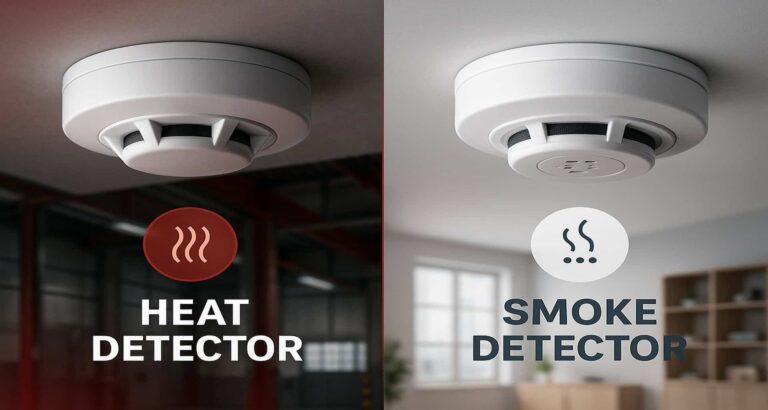
Fire detection systems are among the most important components of modern building safety. Among them, smoke detectors and heat detectors are widely used to identify fire at an early stage.
Although both devices are designed to detect fire hazards, they operate differently and are used in different environments. Understanding the difference helps in choosing the right system for maximum safety.
At Reliant EST, we provide professional fire safety solutions, including installation and maintenance of advanced detection systems for residential, commercial, and industrial buildings.
What is a Smoke Detector?
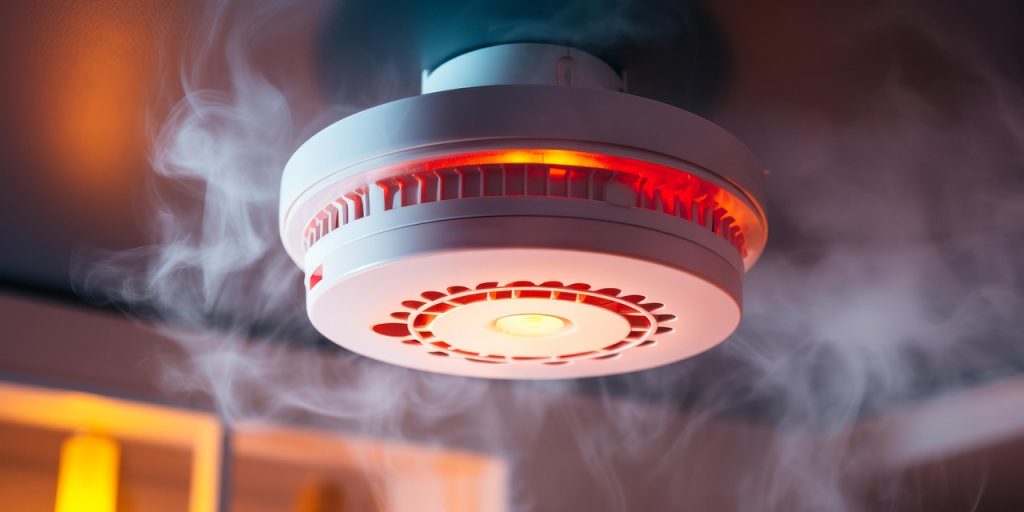
A smoke detector is a device that senses smoke particles in the air, which are usually produced during the early stage of a fire.
How it works
Smoke detectors use optical (photoelectric) or ionization technology to detect smoke. When smoke enters the sensor chamber, it triggers an alarm immediately.
Key Features
- Detects fire at an early stage
- Highly sensitive to smoke particles
- Quick alarm response
- Suitable for indoor environments
Best Usage Areas
- Offices
- Homes
- Hotels
- Hospitals
What is a Heat Detector?
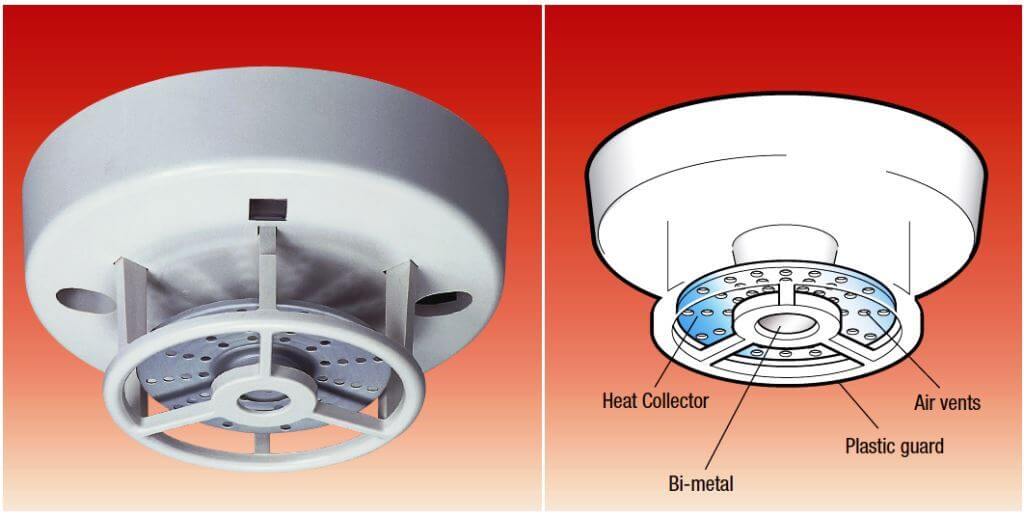
A heat detector is a device that responds to a significant rise in temperature or a fixed high temperature level.
How it works
Heat detectors activate when the surrounding temperature exceeds a set limit or rises rapidly within a short time.
Key Features
- Activates based on temperature, not smoke
- Less sensitive to dust or humidity
- Reliable in harsh environments
- Lower false alarm rate
Best Usage Areas
- Kitchens
- Factories
- Garages
- Warehouses
Key Differences Between Smoke Detectors and Heat Detectors
| Feature | Smoke Detector | Heat Detector |
| Detection Method | Detects smoke particles | Detects temperature rise |
| Response Time | Faster (early fire detection) | Slower (advanced fire stage) |
| False Alarms | More sensitive | Less sensitive |
| Best Location | Indoor clean areas | High heat or dusty areas |
| Usage Purpose | Early fire warning | Fire confirmation in harsh areas |
Which One Should You Choose?
The choice depends on the environment:
- For early fire detection in homes and offices → Smoke Detector
- For high-temperature or dusty environments → Heat Detector
- For best protection → Combination of both systems
A well-designed fire safety system often uses both devices together for complete coverage.
Importance of Fire Detection Systems
Fire detection systems help in:
- Early warning before fire spreads
- Saving lives and property
- Reducing damage risk
- Improving emergency response time
Proper installation and maintenance are essential for reliable performance.
Why Choose Reliant EST
Reliant EST is a trusted lift and fire safety service company in Bangladesh, providing advanced safety solutions for all types of buildings.
We offer:
- Fire detection system installation
- Smoke and heat detector setup
- Maintenance and inspection services
- Integrated building safety solutions
Our focus is always on safety, reliability, and long-term performance.
Conclusion
Smoke detectors and heat detectors both play a vital role in fire safety systems, but they serve different purposes. Smoke detectors are ideal for early warning, while heat detectors are better for harsh environments.
Choosing the right system or combining both ensures maximum safety for your building.
At Reliant EST, we help you design and install the most effective fire detection solutions based on your specific needs.
Frequently Asked Questions (FAQs)
Q1. Which is better: a smoke detector or a heat detector?
Neither is better universally. Smoke detectors are best for early detection, while heat detectors are suitable for high-temperature areas.
Q2. Can both detectors be used together?
Yes, combining both provides better fire safety coverage.
Q3. Where should smoke detectors be installed?
They are best installed in bedrooms, offices, hallways, and living areas.
Q4. Where should heat detectors be used?
Heat detectors are ideal for kitchens, factories, garages, and dusty environments.
Q5. Do these detectors require maintenance?
Yes, regular inspection and maintenance are necessary to ensure proper functioning.